
Eating with the Seasons: 6 Reasons You Should Choose Seasonal Foods

Eating seasonal food is a practice deeply rooted in our culinary traditions for centuries. However, in the era of global food availability, many people need to catch up on the benefits of incorporating seasonal produce into their diets. This article will explore six reasons to embrace this practice again and enjoy seasonal food in our daily meals.
1. Freshness and Flavor
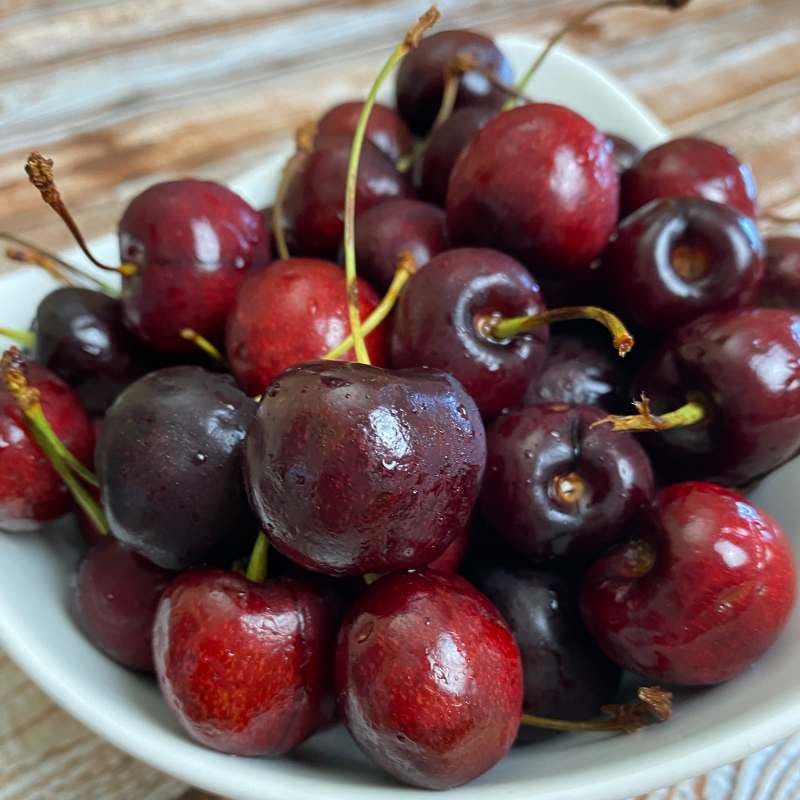
One of the primary reasons to opt for seasonal foods is their unparalleled freshness. Seasonal foods are typically harvested at their peak ripeness and quickly delivered to local markets. This translates to fresher products with a much more pronounced flavour. For instance, spring cherries and sun-ripened summer tomatoes delight the taste buds that cannot be replicated with out-of-season produce.
2. Higher Nutritional Value
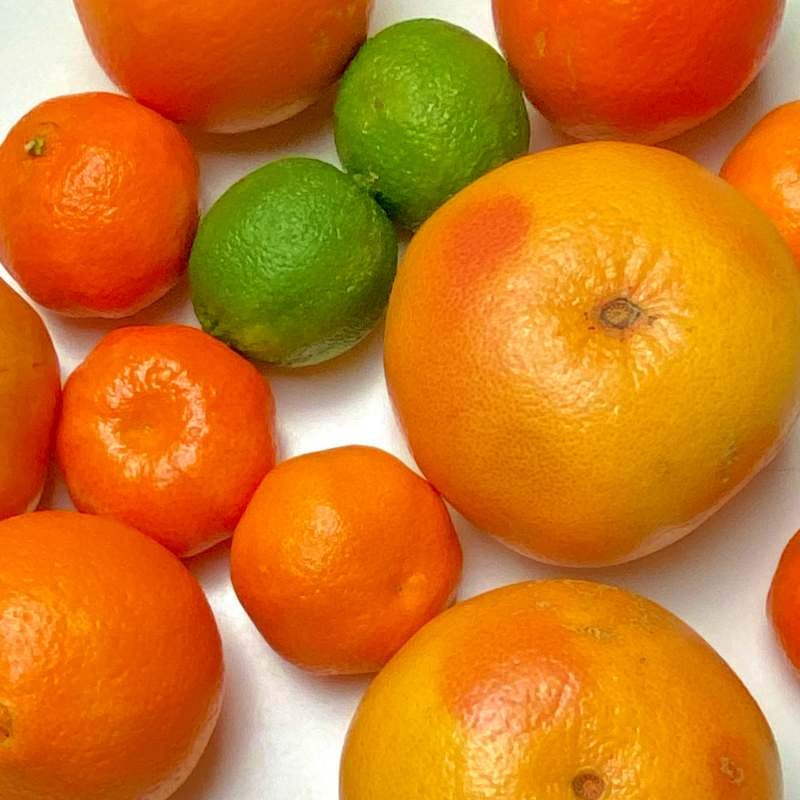
Seasonal foods often boast a higher nutritional value. Because they are harvested optimally, these foods are richer in vitamins, minerals, and antioxidants. This means that when you consume seasonal foods, you reap more health benefits with every bite. For example, autumn pumpkins are renowned for their high vitamin A content, which is essential for eye health. In winter, with the cold weather and lack of sunshine, our body demands more nutrients and vitamin C. All the better because it is the season for vegetables rich in minerals, such as leeks, cabbage, spinach, and citrus fruits full of vitamin C, such as oranges, mandarins, persimmons, etc.
In summer, with the heat, our body expends fewer calories but requires more water: all seasonal fruits and vegetables are full of it, such as melons, tomatoes, courgettes, watermelons, etc.
3. Support for Local Agriculture
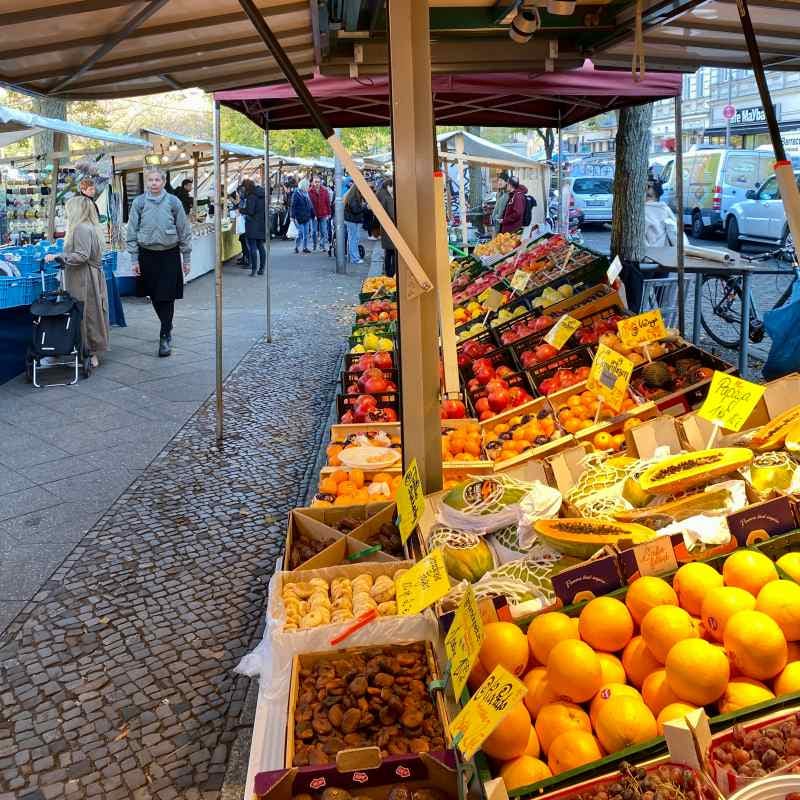
Eating seasonal foods is also a way to support local farmers. By purchasing products in season in your area, you contribute to the local economy and help sustain agricultural traditions in your region. This fosters a stronger community and reduces the carbon footprint by diminishing the need to transport food from distant locations.
4. Lower Cost and Money Savings

In most cases, seasonal foods are more affordable than their out-of-season counterparts. Due to the abundance of certain products during their peak harvest, prices tend to drop. This means you can enjoy high-quality food without spending as much money. Additionally, purchasing seasonal foods makes you more likely to avoid expensive imported products.
5. Protect the environment

By favouring seasonal food varieties, we support preserving agricultural biodiversity and avoiding the extinction of local varieties.
Out-of-season and imported fruit or vegetables are usually transported by plane or ship (frozen products or canned goods) and then by lorry under conditions that allow them to be preserved (refrigerated, air-conditioned). These three means of transport are significantly polluting for the planet.
In addition, to prevent fruit from ripening too quickly during transport or spoiling, it is coated with chemicals to preserve it. Added to this is the use of pesticides in industrial agriculture, products that destroy biodiversity; they even kill bees and other pollinators essential for biodiversity and food security, pollute water and are often packaged to protect them during transport. Even if produced in Spain, out-of-season produce often comes from industrial farms that use pesticides and heating to guarantee yields.
Eating local and seasonal produce also helps to reduce the use of inputs, fuel, fertilizers, pesticides, and water in our fields, and local fruit and vegetables can be bought without any packaging, directly from the farmer or through very few intermediaries. Less packaging means less waste.
6. Connection to Nature and Seasons
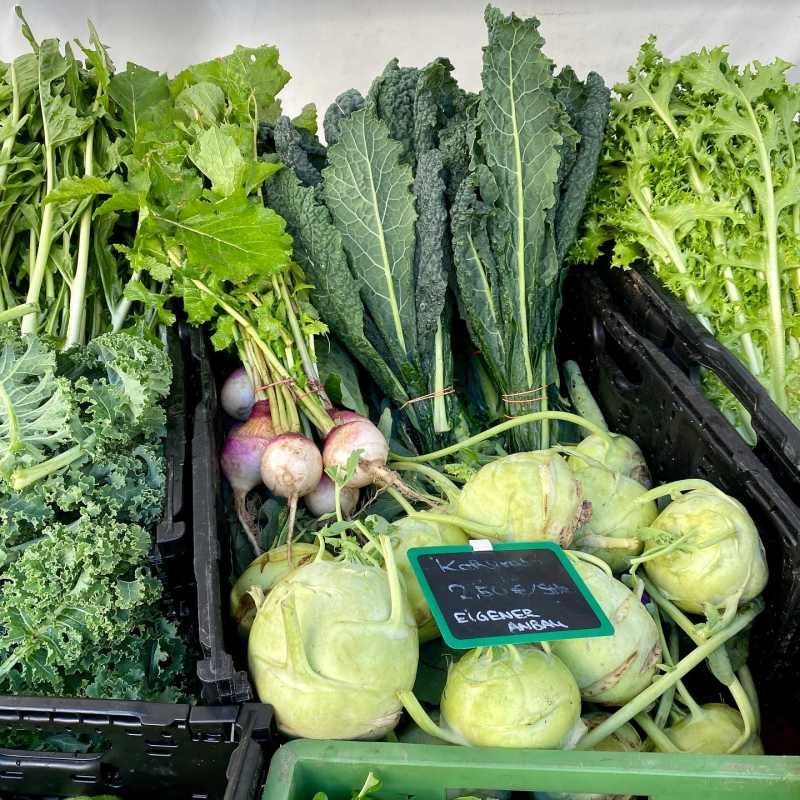
Eating seasonal foods reconnects us with nature and the changing seasons. It makes us more aware of natural cycles and allows us to appreciate the beauty and diversity of each season. This connection to nature can positively impact our emotional and spiritual well-being.
In summary, eating seasonal foods is a wise choice from a culinary, nutritional, economic, and environmental perspective. By doing so, we can savour the unmatched freshness and flavour of produce at its peak while supporting local farmers and reducing our carbon footprint. So, the next time you plan your meals, consider what the season offers! Your palate and your health will thank you.
See you soon!


